
In the quickly developing landscape of the hotel industry, standing out online is more essential than ever. As travelers significantly turn to search engines for their lodging needs, hoteliers should get smarter about how they draw in these prospective guests. One potent strategy involves leveraging long-tail keywords in local searches. This approach not just boosts presence but likewise lines up with the nuanced intentions of searchers.
Understanding Long-Tail Keywords
Long-tail keywords are expressions that are highly specific and usually longer than more common keyword questions. They might not have the sheer volume of popular keywords, however they often bring greater conversion rates since they record users further along in the buying funnel. For instance, a broad keyword like "hotels" might be refined into "boutique hotels in downtown Chicago with rooftop bars." This uniqueness caters directly to users who understand exactly what they want.
Why Long-Tail Keywords Matter
Using long-tail keywords can significantly benefit hotels due to a number of factors:
Low Competition: These keywords typically deal with less competitors. It's simpler to rank for them compared to more comprehensive terms. Higher Conversion Rates: Users searching with long-tail keywords are normally closer to making a reserving decision. Improved Relevance: Customized questions result in more appropriate traffic, which lines up better with what your hotel offers. Cost-Effectiveness: In pay-per-click marketing, long-tail keywords can be less costly than broad ones due to lower demand.The Function of Regional SEO
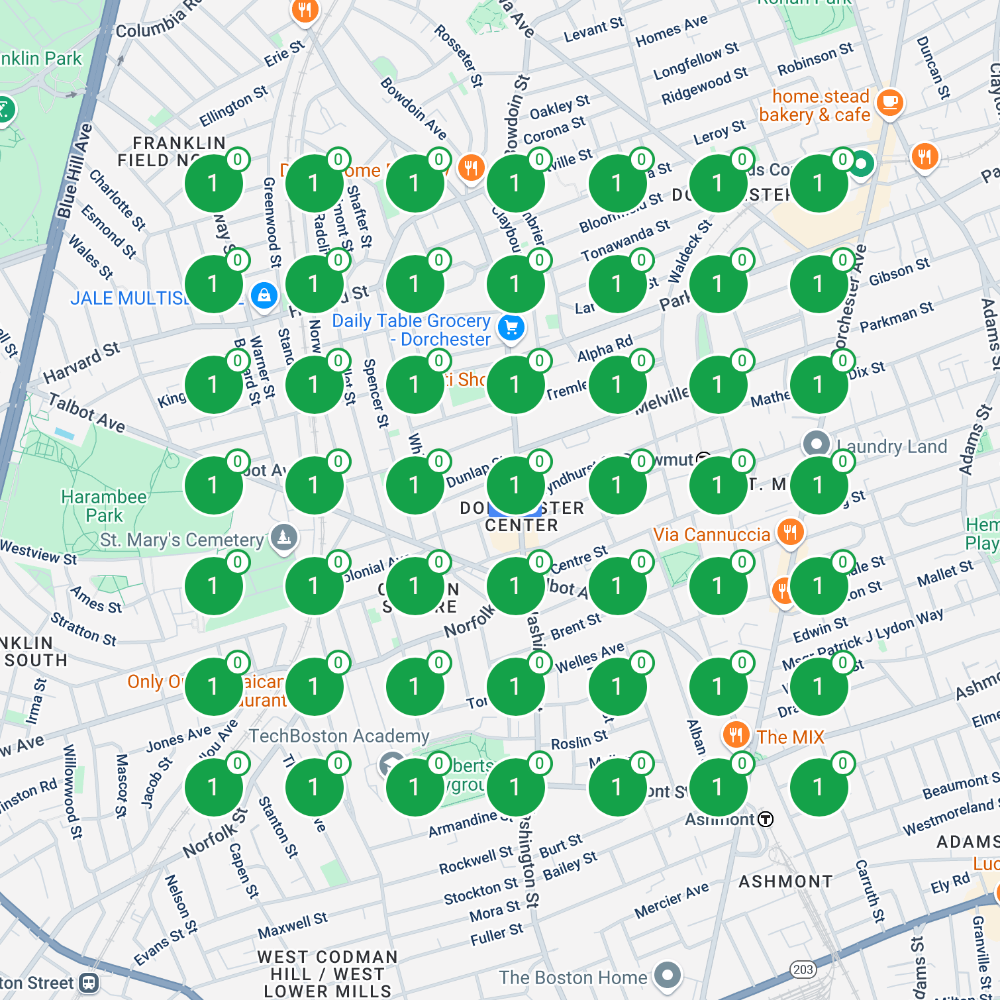
Local SEO is pivotal for hotels because many bookings originate from possible visitors seeking lodgings in particular locations. When combined with long-tail keywords, regional SEO ensures your home appears prominently when users carry out location-based searches.
Optimizing for Regional Searches
To enhance successfully, it's important to concentrate on elements that improve your regional existence:
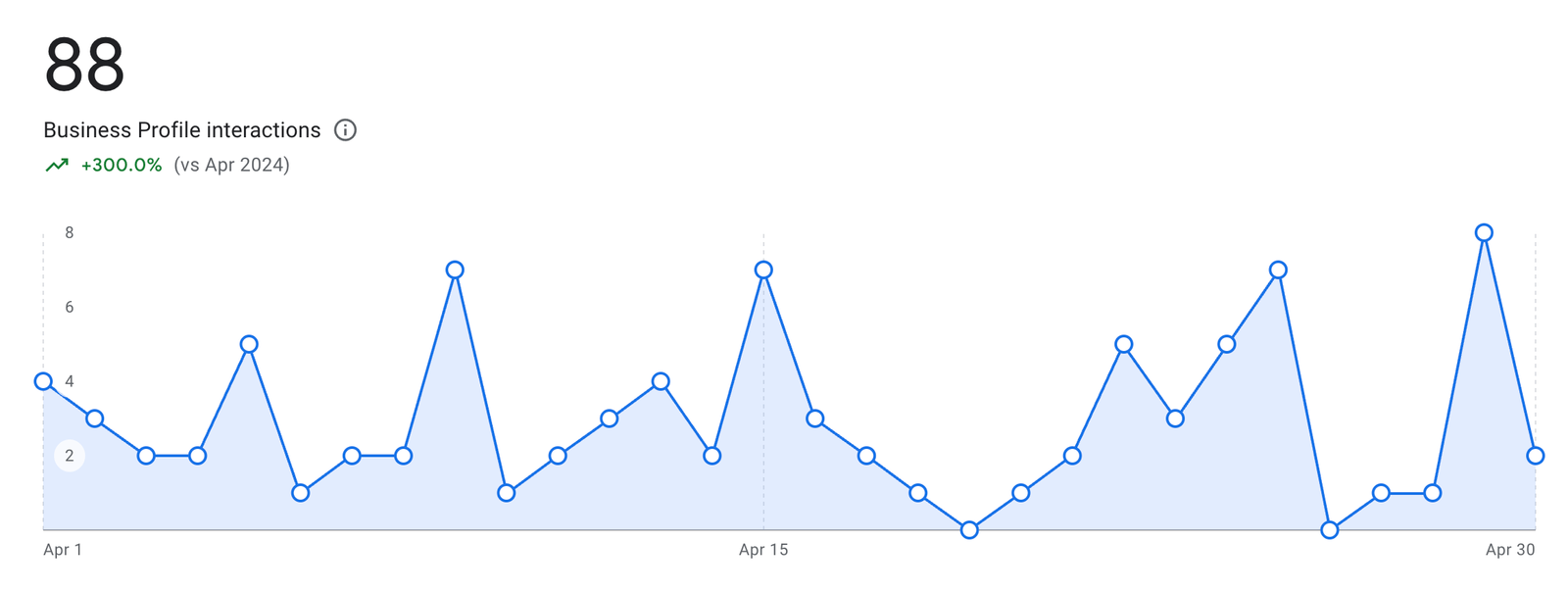
- Google My Organization (GMB): Guarantee your GMB profile is complete and frequently updated with precise details about your services, address, contact details, and photos. Localized Content: Create material that highlights regional destinations and events while naturally incorporating long-tail keywords like "family-friendly hotel near Central Park." Reviews and Ratings: Encourage satisfied visitors to leave reviews on platforms like TripAdvisor or Google Maps. Favorable evaluations increase credibility and search ranking.
Real-World Application
Consider a bed and breakfast nestled along California's picturesque shorelines. Instead of targeting "California B&B," aim for phrases such as Boston seo firm "romantic bed and breakfast ignoring the Pacific Ocean near Big Sur." This uniqueness helps draw in couples preparing romantic trips looking exactly for such an experience.
Crafting Keyword Techniques for Various Hotel Types
Different kinds of lodgings will naturally have varied audiences and requires when it comes to keyword strategies.
Hotels and Resorts
Larger facilities might concentrate on features or special selling points such as conference centers or day spa services within their keyword strategies. Make use of expressions like "high-end resort with conference facilities near Silicon Valley."
Bed and Breakfasts
For smaller sized inns or B&B s, storytelling plays a crucial function. Highlight distinguishing characteristics or historical charm with expressions like "Victorian-era bed and breakfast near Napa Valley vineyards."
Boutique Hotels
These residential or commercial properties grow available special experiences or styles - think along the lines of "art-themed boutique hotel near SoHo galleries."
Tracking Performance Metrics
Monitoring how your picked keywords perform assists fine-tune methods with time:
- Organic Traffic Changes: Track how many visitors find you through natural searches using analytics tools. Conversion Rates: Analyze whether those who arrive on your page by means of particular long-tail questions eventually make reservations. Bounce Rate: A high bounce rate could show mismatched expectations; evaluate landing page content against visitor intent expressed through their search terms.
Balancing Act - Integrating Broad & & Long-Tail Keywords
While focusing greatly on long-tail phrases adds accuracy in targeting niche markets or particular requirements, keeping some balance by incorporating broader terms remains essential too:
First off, broad terms assist capture basic interest where specifics aren't yet identified by potential guests ("hotel deals New york city City"). Secondly though maybe at first bringing lower conversions per se still contributes a little towards brand name awareness total presence online presence when done correctly without overshadowing tailored methods currently discussed above relating to specificity relevance cost-effectiveness benefits associated primarily making use of longer comprehensive variations keyword research ongoing basis together with competitors' motions latest patterns within sector itself ultimately yielding finest outcomes possible offered restraints scenarios faced each individual organization contextually speaking course!
In conclusion (without saying so directly), comprehending carrying out strategic usage both types conjunction together enhancing particular strengths weaknesses appropriately ends up being crucial success aspect making the most of ROI projects efforts tailored towards bring in maintaining clientele digital age marketing controlled significantly targeted approaches heavily reliant upon data-driven insights notified choices made skilled professionals leveraging tools available attain objectives stated preliminary stages preparing process continued evaluation adjustment necessary ensure continual growth profitability in the middle of changing external characteristics affecting market larger economy too naturally speaking much bigger scale perspective indeed!